A good Young Learners programme gives children regular exposure to the language, plenty of chances to interact, and content that feels meaningful to them. Children learn best when lessons are active and age-appropriate. A strong programme should also help children feel confident, because children usually learn more when they are relaxed and willing to take part. The best courses balance fun with real language development.
Choosing a language course for a child is an important decision. Parents want a programme that is safe and enjoyable, but they also want to know that their child is really learning. The best choice is usually not the one that looks the most impressive on the surface; it’s the one that gives children the right kind of support for their age, needs, and confidence.
When children are young, they learn language best through exposure and interaction. They need to hear language often whilst using it in simple and natural ways (and feel relaxed enough to try). A good Young Learners programme should support all of this in a clear and child-friendly way.
What Language Learning Should Look Like
A strong programme for children should be active, not passive. Children should not only listen; they should also answer, repeat, ask, and take part. Listening is only one of four main skills when learning a language; we explained previously how each of them can be difficult to master ( Which skill is hardest to master in a new language: speaking, writing, listening, or reading? ). When lessons include conversation, games, and teacher support, children get more chances to use the language in real ways. This matters because language develops through regular use, not just through memorising words.
Another important point is that the language should feel meaningful. Children learn more easily when the topic is familiar or interesting to them. Lessons about daily life, hobbies, family, school, or simple stories can help children connect new words with things they already know. This makes learning feel more natural and less stressful.
Parents should also look at how the programme builds skills over time. A good course does not focus only on vocabulary lists. It helps children understand and use language in context. This means grammar, speaking, listening, and vocabulary are developed together, in ways that suit young learners.
Why Interaction Matters
Children learn language better when they can interact with people, not just with screens or worksheets. Interaction helps them practise turn-taking, listening, and responding. It also helps teachers notice when a child needs more support. In a good classroom, the teacher should guide the children, encourage answers, and create a space where mistakes are part of learning.
This is especially important for children who may be shy or unsure. Children often need time to warm up, and they benefit from teachers who are patient and encouraging. A friendly setting can make a big difference to how much a child joins in.
Parents should ask how much speaking time children really get. They should also ask whether the class size allows teachers to give personal attention. Smaller or well-managed groups often make it easier for children to participate and feel noticed.
What Bilingual Learning Means
Some parents worry that learning more than one language may be confusing for children. In reality, bilingual children are not confused just because they hear two languages. It is normal for them to mix languages while they are still learning. That mixing is part of the process, not a sign that something is wrong.
What matters most is regular exposure and a real reason to use the language. Children learn better when they hear the language often and have chances to use it in simple, natural situations. A good Young Learners programme should support this by creating consistent practice, rather than expecting children to become fluent quickly.
Questions Parents Should Ask
Before choosing a course, parents should look beyond the brochure and ask practical questions.
Is the Course Suitable for My Child's Age?
What age group is the course designed for? Does the teaching style suit my child’s personality? How much language exposure will my child get each week? Is the course more about fun activities, or does it also build real language skills?
How Does the Programme Build Confidence?
It is also wise to ask how the programme handles confidence and support. Young learners do best when they feel safe to try. If a child is nervous, the teaching approach should still help them join in gently. The goal is not perfect performance. The goal is steady progress and a positive learning experience.
Is the Course Practical for Our Family?
Parents should also think about convenience and consistency. A course may be very strong in theory, but if the schedule is difficult to maintain, it may not work well in practice. Children benefit from regular learning, so the best programme is one that the family can realistically keep up over time.
Young Learners at English Path
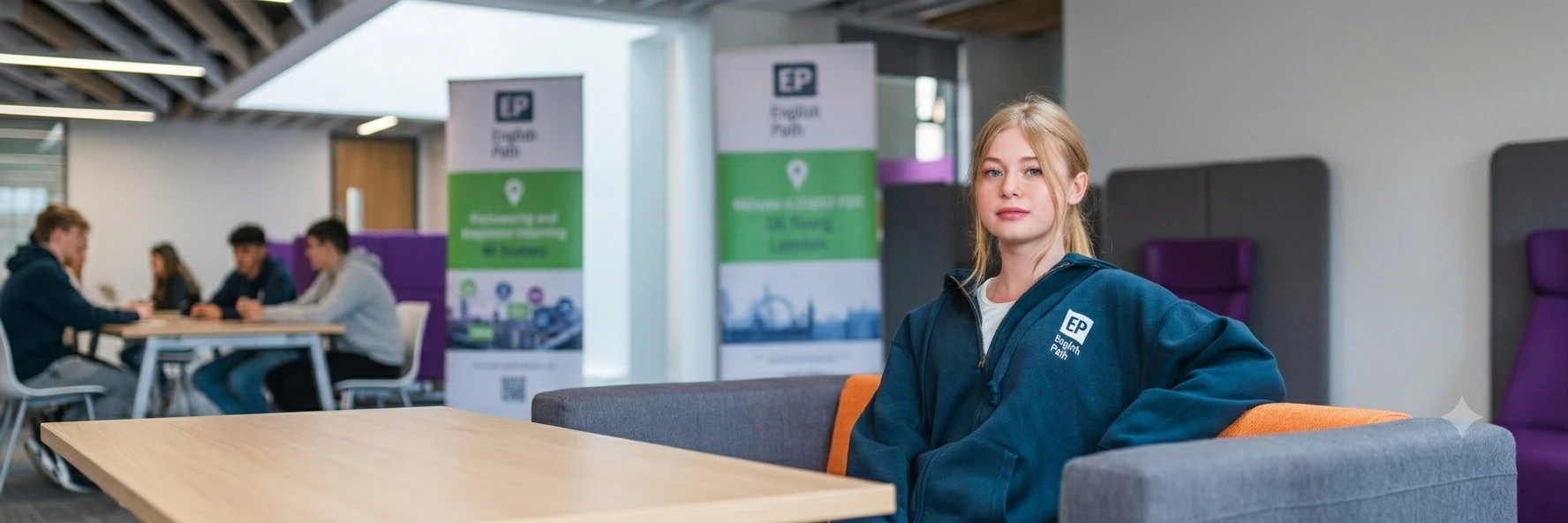
English Path offers Young Learner Courses for children and teens, giving families a structured option for younger students. For parents comparing providers, this is a good starting point because it shows that the course offer is designed for a specific age group rather than for general adult learners.
When reviewing any Young Learners programme, parents should check more than the course title. They should look at the age range, learning format, teaching style, and how the course supports participation. It is also helpful to see whether the programme fits the child’s current level and learning goals.
A strong course should help children enjoy learning while also building real skills. That balance is important. If children feel happy, supported, and understood, they are more likely to stay engaged and make progress.
Final Choice
The most important thing parents should look for is a programme that supports real language development in a child-friendly way. That means plenty of interaction, meaningful content, and a teaching style that builds confidence. It also means choosing a course that fits the child’s age, personality, and daily routine.
There is no single perfect programme for every family. But there is a better choice for each child. The best decision is the one that combines learning quality with practical fit, so the child can grow steadily and enjoy the experience too.
Start your child's English learning journey today. Contact us today
Get a QuoteFAQs
What makes a Young Learners programme effective?
Should parents worry if a child mixes two languages?
No, language mixing is normal for bilingual children. It does not mean the child is confused or falling behind. Children often mix languages while they are still learning how each one works. What matters is steady exposure and regular chances to use the language in real situations. Over time, children usually become more confident and better at separating languages naturally.
Is it better for children to learn through play or formal lessons?
Both can help, but young learners usually benefit most from a mix of play and structure. Play keeps children engaged and helps them use language in natural ways. At the same time, simple structure helps them build skills step by step. The best programmes use activities, stories, games, and guided practice together so children can learn without feeling pressured.
How can parents know if a course fits their child?
Parents should consider the child’s age, confidence, personality, and attention span. A course that works well for one child may not suit another. It helps to ask how the lessons are run, how much speaking children do, and whether the class feels supportive. Parents should also think about whether the schedule is realistic for the family, because regular attendance supports progress.
Why does confidence matter in language learning?
Confidence matters because children learn best when they are not afraid to try. If a child feels safe, they are more likely to speak, make mistakes, and improve. A supportive teacher and a friendly classroom can make a big difference. When children enjoy the experience, they usually stay more engaged and keep learning over time.